Delegating a long task should not prevent a user from correcting it. A responsive main conversation, however, creates another obligation: the system must know which background work is still authorized and which result belongs to the current request.
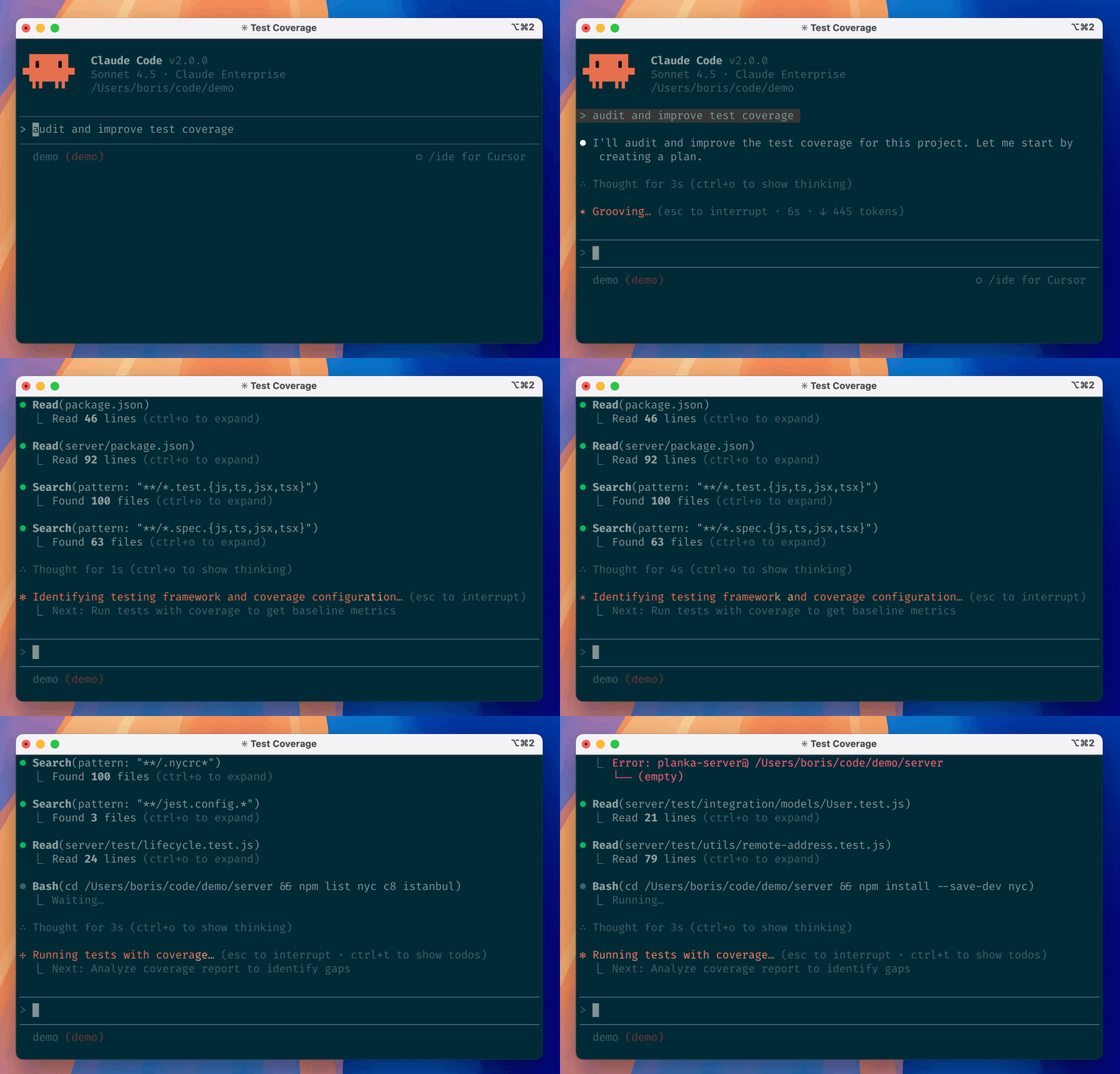
LangChain’s October 29 v0.10 release adds asynchronous subagents to Managed Deep Agents. The orchestrator can start work, keep interacting, check progress, update a task or cancel it. The release also describes preserving the originating Slack thread and a Stop control for its runs.
Responsiveness and completion are different measures
The documentation says each asynchronous subagent runs as its own graph in the deployment; it requires managed-deepagents 0.10.0 or later. The managed service is described as a public beta. These are lifecycle capabilities, not a comparative benchmark showing that several agents outperform one.
The immediate benefit is a cleaner interaction model for research, review and other tasks that can proceed independently. The cost is additional state to reconcile. If the user changes the scope while a subagent is running, the final answer must distinguish work produced under the old instruction from work produced under the new one.
The result needs an owner
An engineering evaluation should check cancellation propagation, late results, repeated completion events and partial failures. A completed subagent message can be informative without proving that the requested external change happened. For actions with side effects, the orchestrator still needs to inspect the final artifact or system state.
This architecture could make long workflows less frustrating without multiplying unchecked autonomy. Whether it does so depends on the application’s authority model and its treatment of stale work. The next useful evidence would compare accepted task completion, coordination overhead and recovery effort against a single-agent baseline on the same jobs.
Sources & evidence
Sources describe the announcements and evidence available when this analysis was published. Company claims are attributed; plans and trials are not treated as sustained operation.